Roof Cleaning Built for SeaTac's Damp, Shaded Homes
Why SeaTac Roofs Hold Moss So Long
Homes throughout SeaTac sit under a thick marine canopy and within a flight corridor that keeps tree cover dense along noise-buffer strips, and that combination leaves roofs damp far longer than open-lot properties elsewhere. North-facing slopes near the airport rarely catch enough direct sun to dry out between storms, and the steady Pacific Northwest moisture works its way into composition shingles and cedar shakes alike. Once moss takes hold along those shaded edges, it spreads quickly across the field of the roof, lifting shingle edges and trapping water where it does the most harm. Roofs here carry a wide mix of ages, from mid-century homes with established tree growth overhead to newer builds tucked into wooded parcels, and each ages differently under constant damp. What ties them together is exposure: shade, rain, and organic debris that never fully clears. Treating that growth early, before it works under the shingles, is what keeps a SeaTac roof sound through the long wet months. Our crews read each roof by its slope, surface, and tree cover, then clean it with low-pressure soft washing that lifts moss and algae without stripping the protective granules. Owners notice the difference in both appearance and longevity, since a roof cleared and treated at the right interval simply lasts longer. The work is less about a single wash and more about staying ahead of a climate that never really lets up here.
Soft Washing That Protects Your Shingles
Owning a home near the airport means living with conditions that quietly age a roof faster than most homeowners expect. The dense tree buffers that soften aircraft noise also block sunlight and drop a constant layer of needles and leaves, and that organic debris feeds the moss and algae our marine climate already encourages. Gutters fill quickly on these lots, and when they back up the overflow finds its way under shingles and against fascia, compounding the moisture problem from below. A roof that looks merely dirty often hides early decay along its shaded seams and valleys. That is why we treat cleaning as part of a maintenance rhythm rather than a one-time fix, timing service around the rainy season when moisture peaks and growth accelerates. Composition shingle roofs need granule-safe handling, cedar needs gentler work still, and metal and tile each carry their own quirks under SeaTac's persistent damp. We match the method to the surface every time, then apply a root-level treatment that slows regrowth across the seasons that follow. The result is a roof that holds its protection longer and a home that stays drier underneath. For owners weighing repair costs against routine care, the math favors staying ahead of the damage. Catching moss and debris early, before they pry shingles loose or rot the deck, is the most cost-effective way to protect a home in this corner of South King County.

Moss and Algae Removal
Moss is the first thing we look for on a SeaTac roof, because the shaded, tree-lined lots common near the flight path give it everything it needs to thrive. Constant marine moisture keeps north slopes damp for months, and once moss establishes along a valley or eave it spreads across the field of the roof, lifting shingle edges and holding water against the surface. We remove it without the aggressive scraping or high pressure that strips granules and shortens shingle life. Loose growth comes off first by hand and with soft tools, then a low-pressure soft wash lifts what remains. The approach suits the wide age range of SeaTac roofs, from established mid-century homes to newer builds under heavy canopy, all of which face the same relentless damp. What sets the work apart is the follow-through. After the surface is clear, we apply a treatment that kills remaining spores at the root, which matters in a climate where moss returns fast on shaded ground. That two-step approach, careful removal paired with preventative treatment, keeps a roof clearer far longer than a basic rinse ever could. Owners get back a roof that looks restored and, more importantly, one positioned to shed the next wet season without the buildup creeping back within a year. It is methodical work suited to the conditions these homes actually face.
Gutter and Debris Clearing
Debris management is its own challenge on SeaTac properties, where the same tree buffers that quiet the airport drop a steady load of fir needles, leaves, and small branches onto roofs year-round. That material does more than look untidy. It holds moisture against the shingles, feeds moss along valleys and seams, and washes into gutters where it forms dense clogs that no longer drain. When gutters overflow during heavy winter rain, water backs up under the roof edge and runs down fascia and walls, turning a roof problem into a structural one. We clear the roof surface and valleys first, lifting the buildup that traps damp, then move to the gutters and downspouts to confirm water flows where it should. Pairing the two makes sense on these lots, since moss treatment debris naturally settles into the gutters anyway. The timing matters too. After fall needle drop and ahead of the peak winter storms is when clearing pays off most, keeping the roof dry through the months that test it hardest. For homes shaded by mature trees, twice-yearly attention is often the realistic standard rather than an annual pass. Keeping debris off the surface and out of the channels protects both the roof and everything beneath it, and it removes the fuel that moss and algae depend on to take hold in the first place across SeaTac's wooded parcels.
Regrowth Prevention Treatment
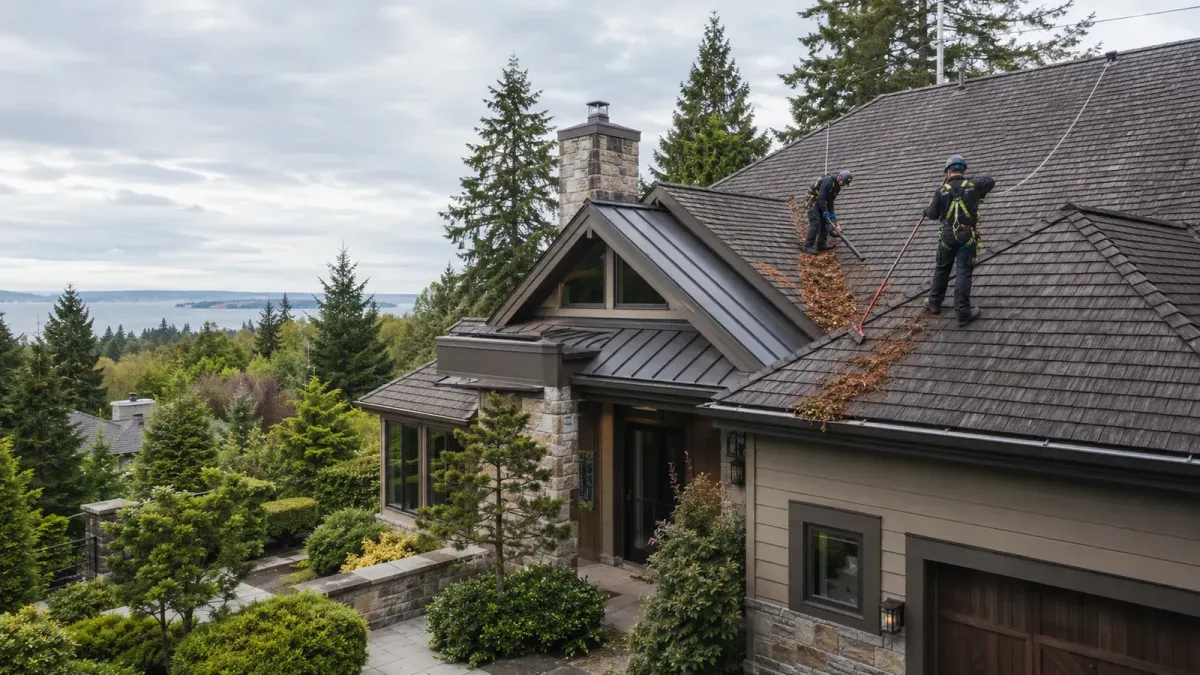
Prevention is where roof care actually pays off in a climate like ours, and SeaTac roofs benefit from it more than most given how long their shaded slopes stay wet. Removing moss solves today's problem, but without a follow-up barrier the growth returns within a year on north-facing ground that never fully dries. Our prevention treatment applies a protective layer that inhibits moss and algae spores, slowing regrowth across the damp seasons that define this area. We focus that protection where it matters most: the shaded northern slopes and tree-covered sections where moisture lingers longest and growth comes back hardest. By treating proactively rather than waiting for the next heavy infestation, owners reduce how often a full cleaning is needed, which makes prevention a genuinely cost-effective choice over the life of a roof. It also keeps the worst-affected areas from reaching the point where moss pries shingles loose or holds standing water against the deck. We tailor the approach to the roof's exposure and surface, since a cedar shake under deep canopy needs different handling than a composition roof with partial sun. Many SeaTac homeowners pair this with a recurring maintenance rhythm so the roof stays serviced on schedule without anyone tracking the timing. The point is simple: staying ahead of growth costs far less than chasing it, and a treated roof carries its protection through the wet months with far less trouble.
Burien's Trusted Roof Cleaning and Moss Removal Specialists
Proudly serving Burien, SeaTac, Tukwila, Des Moines, Normandy Park and White Center for 12+ years.
Comprehensive Roof Cleaning Services in Burien
Tailored to Your Needs
From moss removal to preventative maintenance, our roof cleaning services are built for Burien's wet climate. Explore the full range below and find the right care for your roof type and exposure.
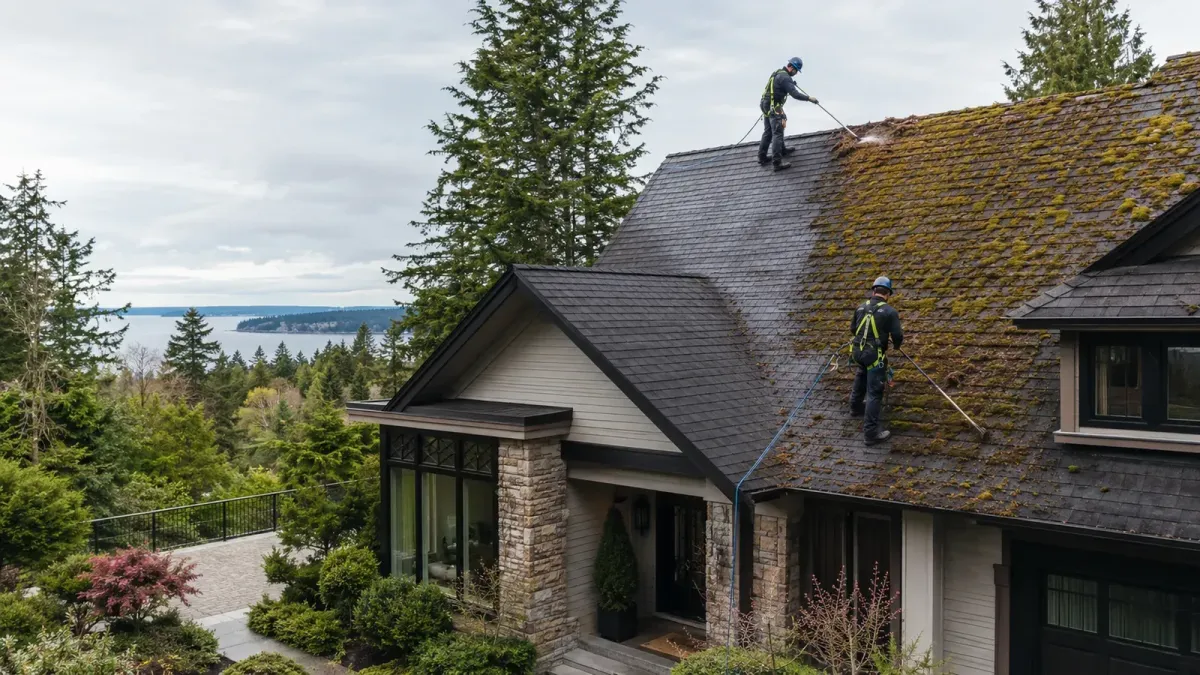
Safe, thorough moss removal for damp, shaded Burien roofs.
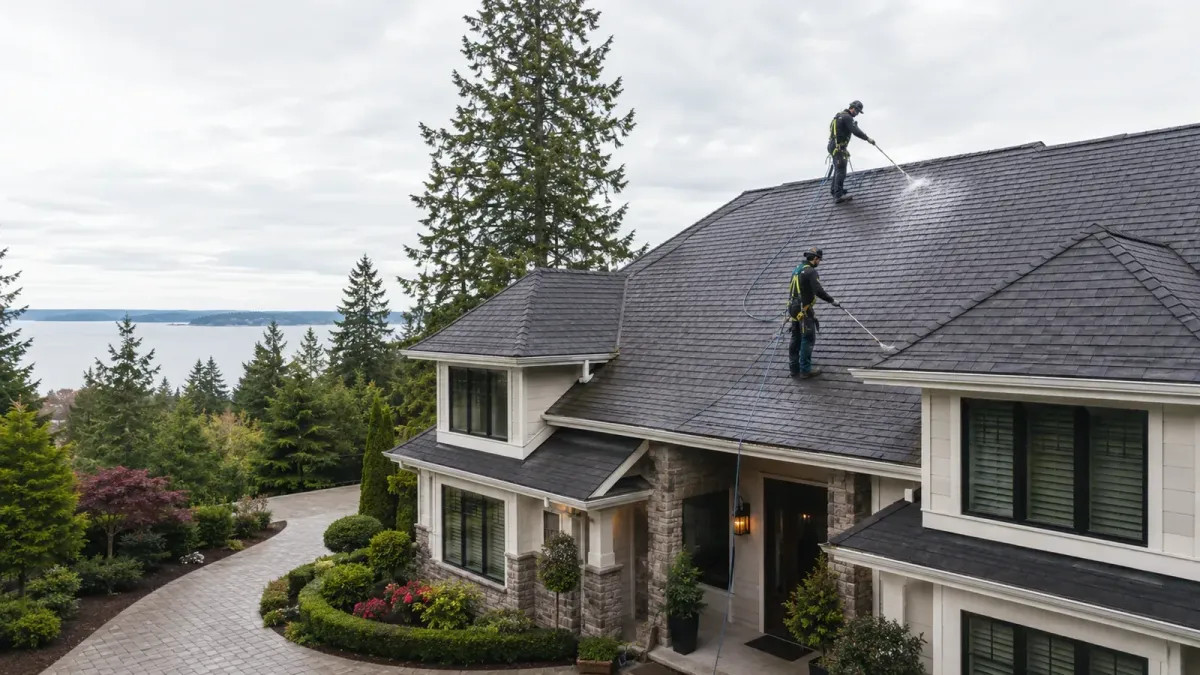
Gentle low-pressure soft washing that protects every shingle.
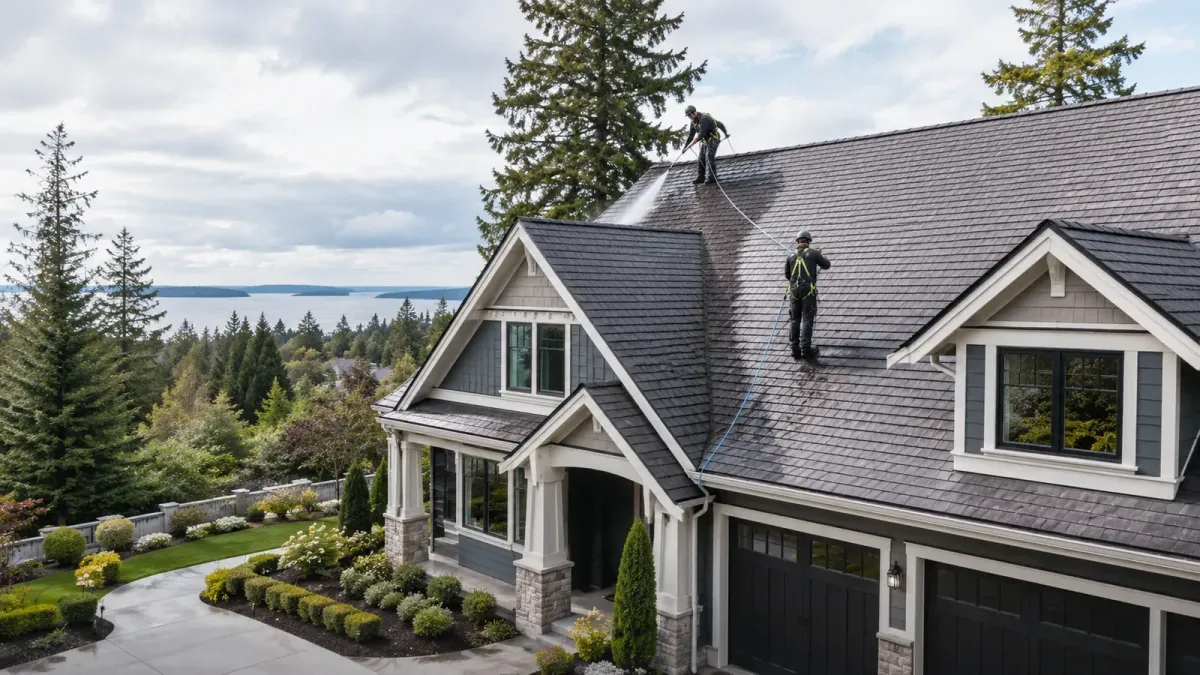
Algae and moss cleaning tuned for Burien composition roofs.
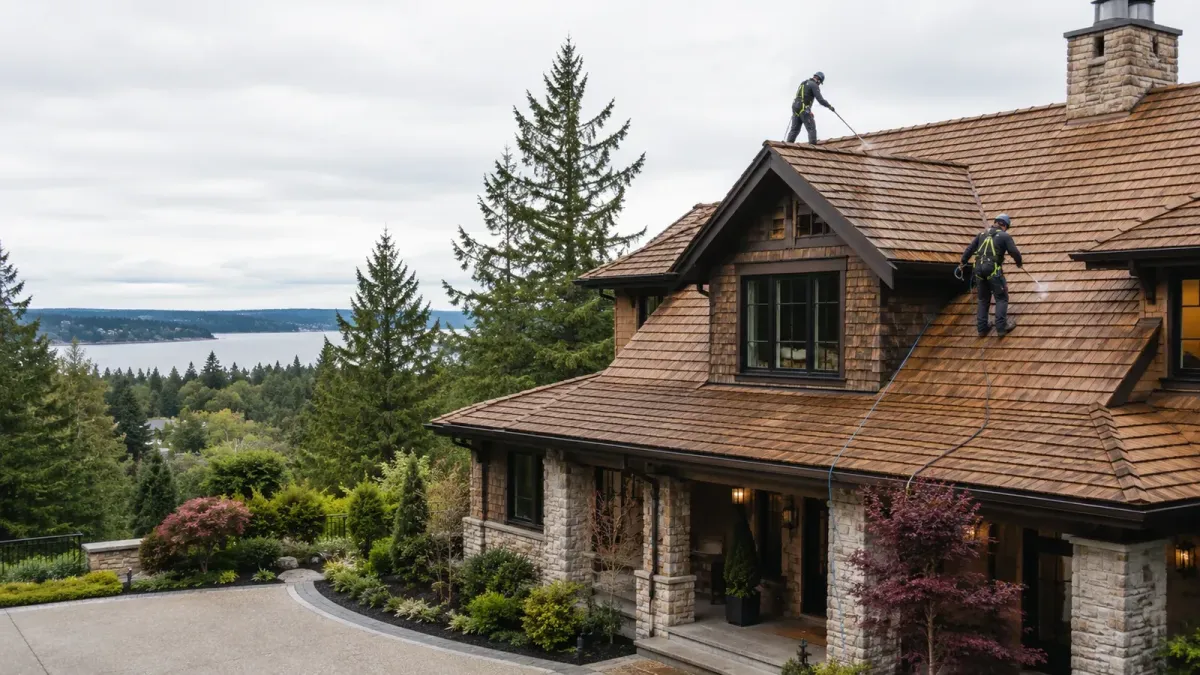
Careful cedar shake cleaning and treatment for wet climates.
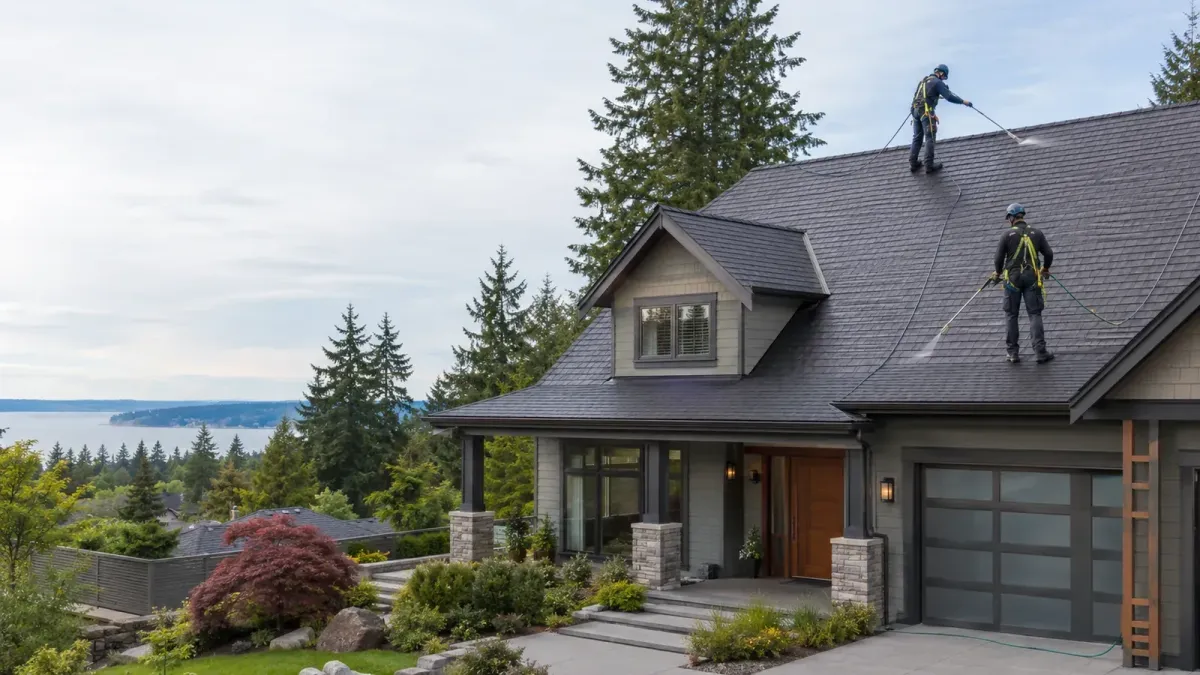
Long-lasting treatment that slows moss regrowth between cleanings.
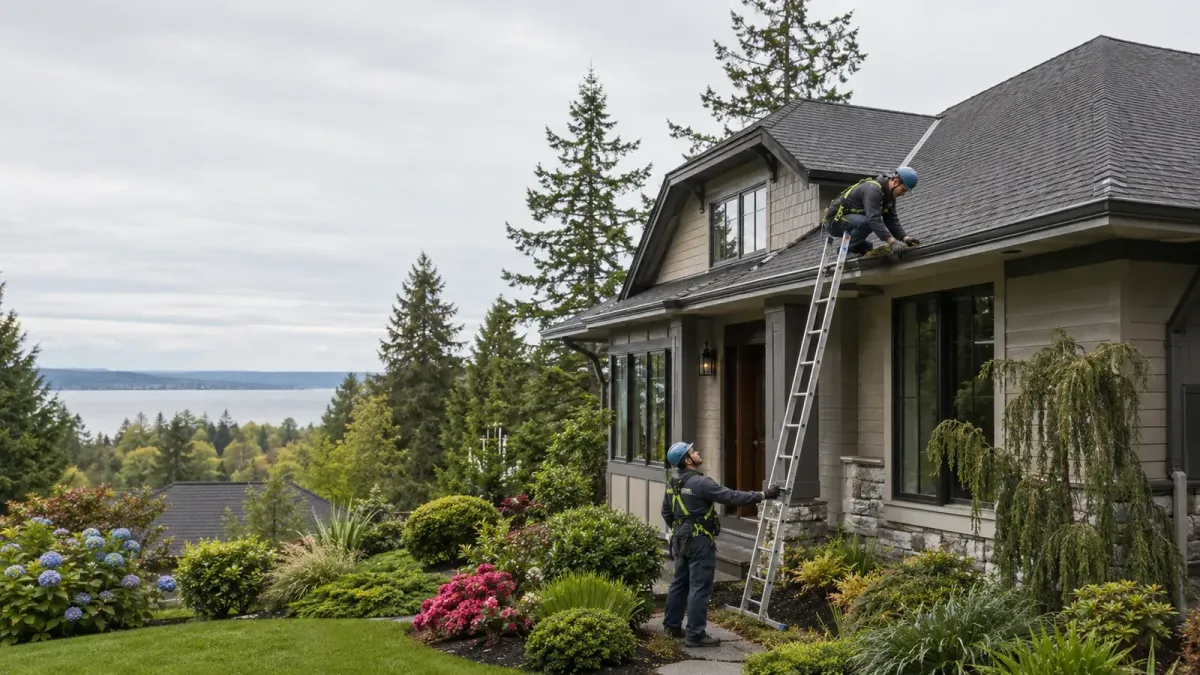
Clear gutters that handle Burien's heavy rain and fir debris.
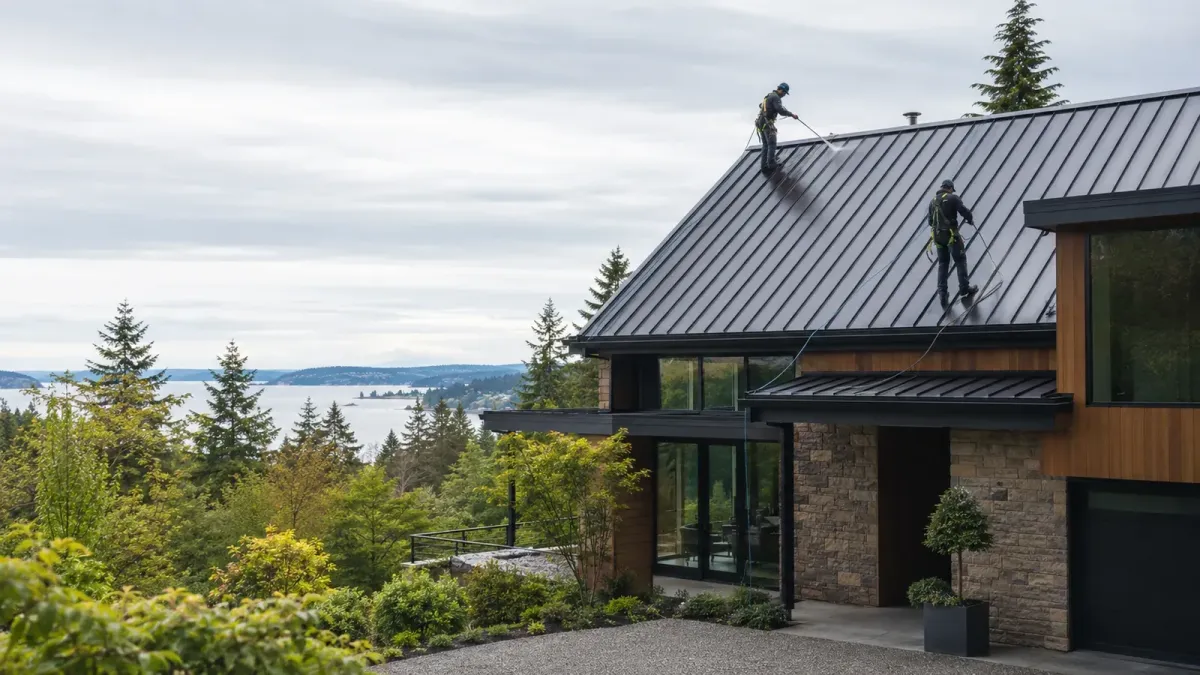
Coating-safe cleaning that keeps metal roofs looking sharp.

Gentle tile roof cleaning that avoids cracks and breakage.
Full removal of needles, leaves, and moss from your roof.
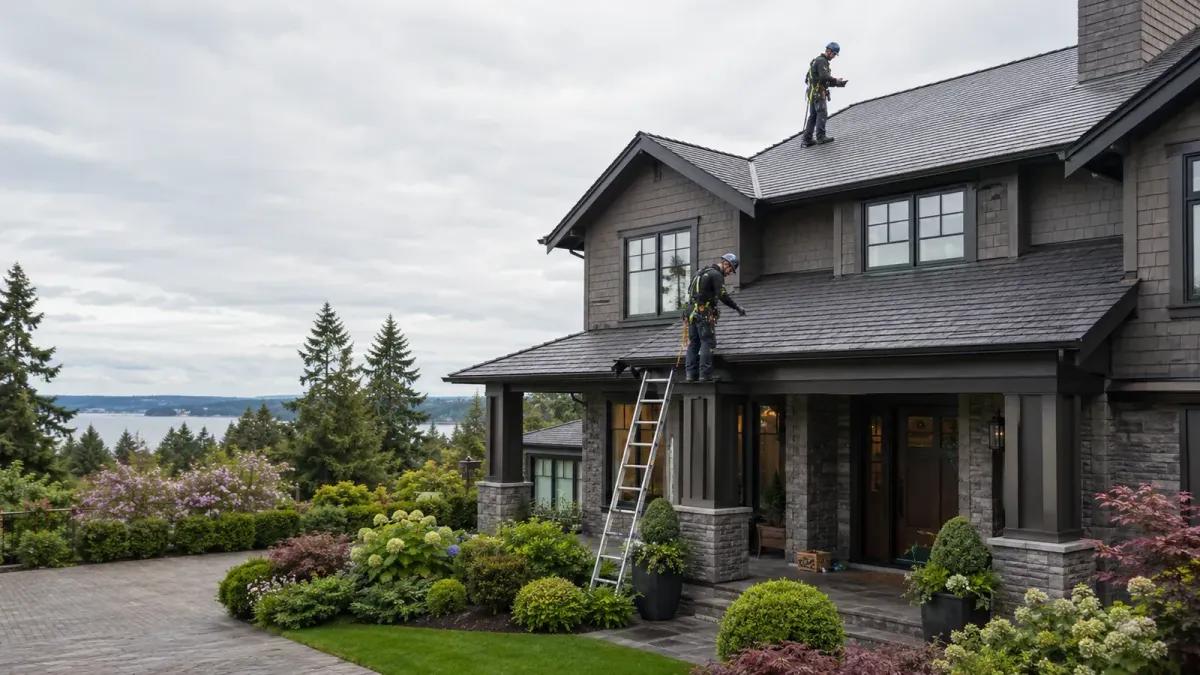
Scheduled care that keeps Burien roofs ahead of the damp.
Frequently Asked Questions
Roof Cleaning can be complex, and we’re here to provide answers to common questions. Here are some frequently asked questions from our clients.
Frequently Asked Questions about Roof Cleaning Burien, WA
How often should I have my roof cleaned in Burien's wet climate?
In Burien's damp Pacific Northwest climate, most composition roofs benefit from professional cleaning every 18 to 24 months. Homes shaded by Douglas firs or near Seahurst and Three Tree Point often need attention sooner because constant moisture accelerates moss growth on north-facing slopes.
Is pressure washing safe for my roof?
High pressure washing strips granules from composition shingles and voids many manufacturer warranties. We use low-pressure soft washing instead, which lifts moss, algae, and lichen without damaging the roofing surface. It is the recommended approach for the older roofs common across Gregory Heights and Boulevard Park.
Why does moss grow so badly on Burien roofs?
Burien sits in a marine climate with heavy winter rain, frequent overcast days, and tree-shaded lots. Those conditions keep roofs damp for months, and shaded north slopes rarely dry out fully. That standing moisture is exactly what moss, algae, and lichen need to take hold and spread across the shingles.
Do you remove moss by hand or with chemicals?
We use a combination approach. Loose moss is gently removed by hand or with soft tools, then we apply a treatment that kills remaining spores at the root. This prevents quick regrowth far better than scraping alone, which is important given how fast moss returns in the South King County climate.
Will roof cleaning damage my gutters or landscaping?
We protect plants, downspouts, and surrounding surfaces before any treatment begins. Runoff is managed carefully and we rinse foliage as needed. Our soft washing solutions break down safely, so your landscaping around the home stays healthy throughout the Burien rainy season and beyond.
Can clean roofs really last longer here?
Yes. Moss holds moisture against shingles and lifts their edges, which leads to early failure and leaks. Removing it and treating for regrowth helps a Burien roof reach its full lifespan. Regular maintenance is one of the most cost-effective ways to protect your home in this wet region.
Still Have Questions About Roof Cleaning Burien, WA?
Speak With a Trusted Roof Cleaning Expert Today.
What Our Satisfied Clients Have to Say About Burien Roof Cleaning
We pride ourselves on delivering great results and experiences for each client. Hear directly from home and business owners who’ve trusted us with their Roof Cleaning needs.
The Trusted Roof Cleaning Expert Near You
Ready to hear more about expert services at Burien Roof Cleaning?
Contact us today to receive a detailed, no-obligation quote.


